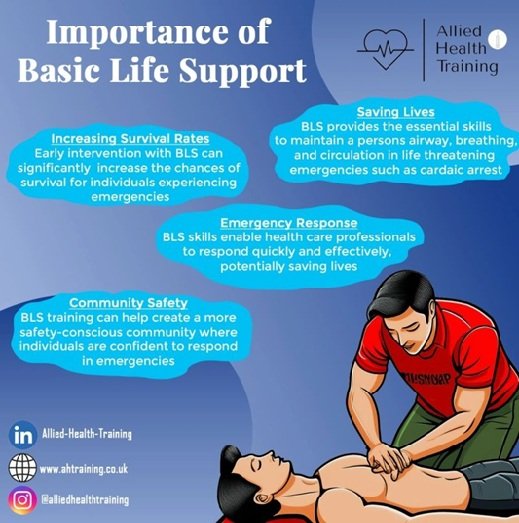
Emergencies can occur without warning, turning ordinary moments into critical situations where immediate action determines the outcome. People with basic life support (BLS) skills know what to do and have the courage to do it in life-threatening situations like cardiac arrest, choking, severe bleeding, and breathing problems. When these skills are applied promptly and correctly, they significantly improve survival outcomes and reduce the risk of long-term complications.
Understanding Basic Life Support
Basic Life Support refers to a set of essential emergency procedures performed to maintain circulation, breathing, and airway function until professional medical help arrives. BLS typically includes cardiopulmonary resuscitation (CPR), use of an automated external defibrillator (AED), airway management, and techniques to assist someone who is choking.
These skills are designed to be simple, practical, and effective. They enable everyday people to act as first responders during the crucial minutes before emergency services reach the scene. Helping right away can mean the difference between life and death.
The Critical Role of Early CPR
The CPR part of BLS is one of the most important parts. Heart failure means that the heart stops sending blood to the brain and other important systems. Brain damage can happen in minutes if there isn’t enough oxygenated blood flow.
By keeping the heart beating and delivering oxygen to vital organs, CPR buys valuable time until more advanced medical care comes. Several studies have shown that performing CPR right away can increase a person’s chances of survival by two or three times.
Training programs such as first aid training bundaberg teach proper compression techniques, breathing support, and response timing so rescuers can provide effective assistance under pressure.
Using AEDs to Restore Heart Rhythm
Automated External Defibrillators (AEDs) are life-saving machines that can bring the heart back to a normal rhythm after a sudden cardiac arrest. More and more of these gadgets can be found in public places, schools, gyms, and workplaces.
BLS training teaches individuals how to safely operate an AED and recognise when defibrillation is necessary. Quick AED use significantly increases survival rates when combined with CPR. Knowing how to locate and use these devices empowers bystanders to take decisive action during emergencies.
Airway Management and Choking Response
Blocked airways can quickly lead to oxygen deprivation. BLS training includes techniques to open and maintain the airway and provide rescue breaths when needed. People also learn how to use abdominal thrusts and back hits to stop someone from choking.
These techniques are especially valuable in environments where children, elderly individuals, or people with medical conditions may be at increased risk. Enrolling in a first aid certification course bundaberg ensures that participants practice these responses in realistic scenarios, helping them react confidently in real situations.
Reducing Response Time Improves Outcomes
The first few minutes after a medical emergency are critical. In busy cities or out in the middle of nowhere, it may take a while for emergency services to get to you. Individuals trained in BLS can provide immediate care, preventing deterioration and stabilising the victim.
Communities with higher rates of first aid knowledge consistently demonstrate better emergency outcomes. Increased awareness, preparedness, and confidence among citizens create safer environments for everyone.
Comprehensive first aid courses bundaberg focus on practical simulations and real world scenarios to help participants develop quick decision making skills. This hands-on training ensures that responders remain calm and effective when every second matters.
Building Confidence and Community Resilience
Beyond technical skills, BLS training builds confidence and emotional preparedness. Many people hesitate to act during emergencies due to fear of doing something wrong. Training removes this uncertainty and encourages proactive intervention.
When more individuals are equipped with life-saving skills, communities become more resilient. Schools, workplaces, and families benefit from having trained responders who can act immediately in critical situations.
Conclusion
Basic Life Support skills play a vital role in improving survival outcomes during medical emergencies. From performing CPR and using AEDs to managing airways and responding to choking incidents, these essential techniques provide life-sustaining care when it matters most. Immediate action saves lives, reduces complications, and strengthens community safety.
Investing time in learning BLS is not just about gaining certification. It is about becoming prepared to protect the lives of others. With proper training and confidence, anyone can step forward during an emergency and make a life-saving difference.